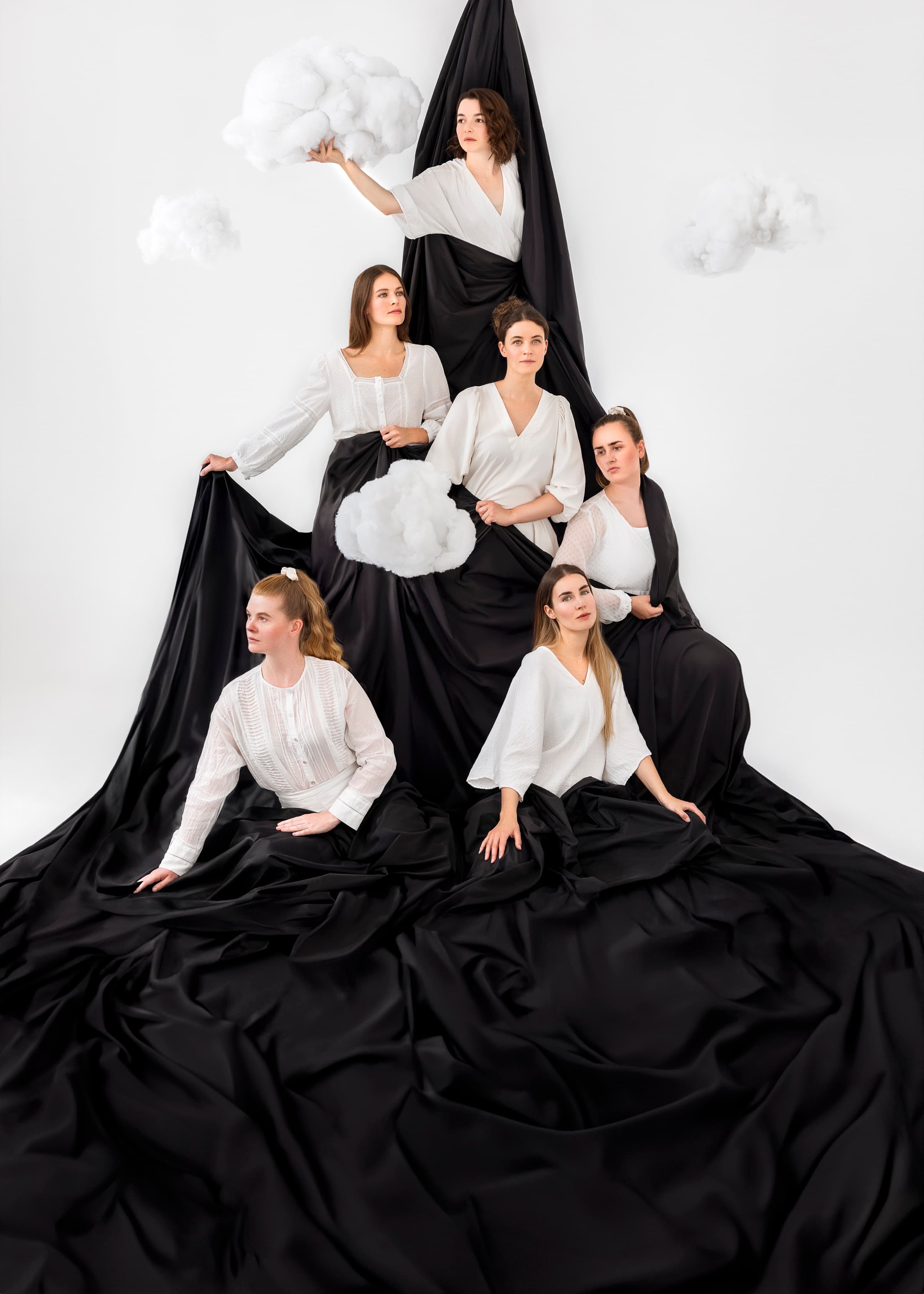
Programme I
Corpus & Lumen
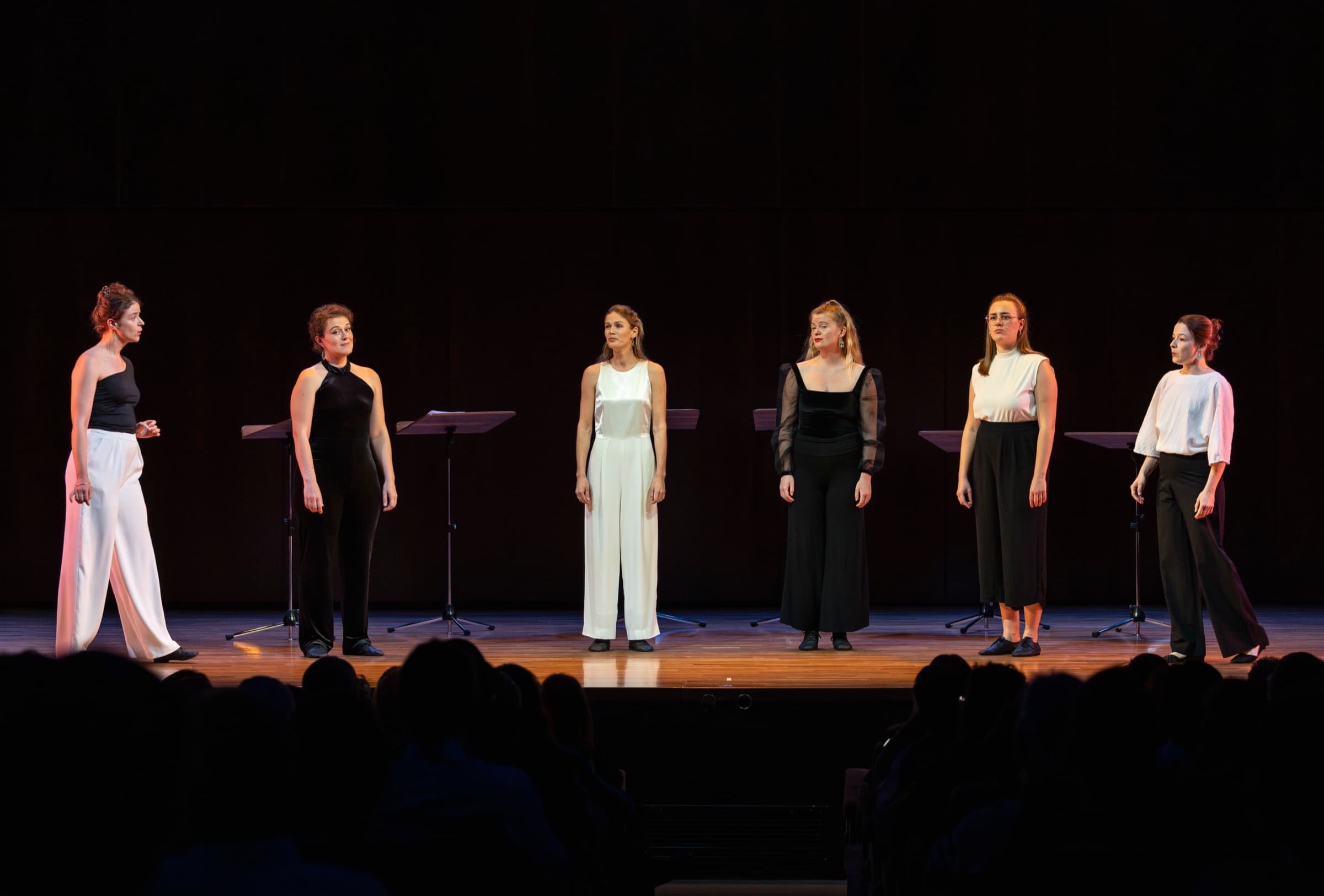
In Corpus & Lumen (Body & Light), Sjaella explores the space where the physical and the divine – earthly experience and the transcendent – meet.
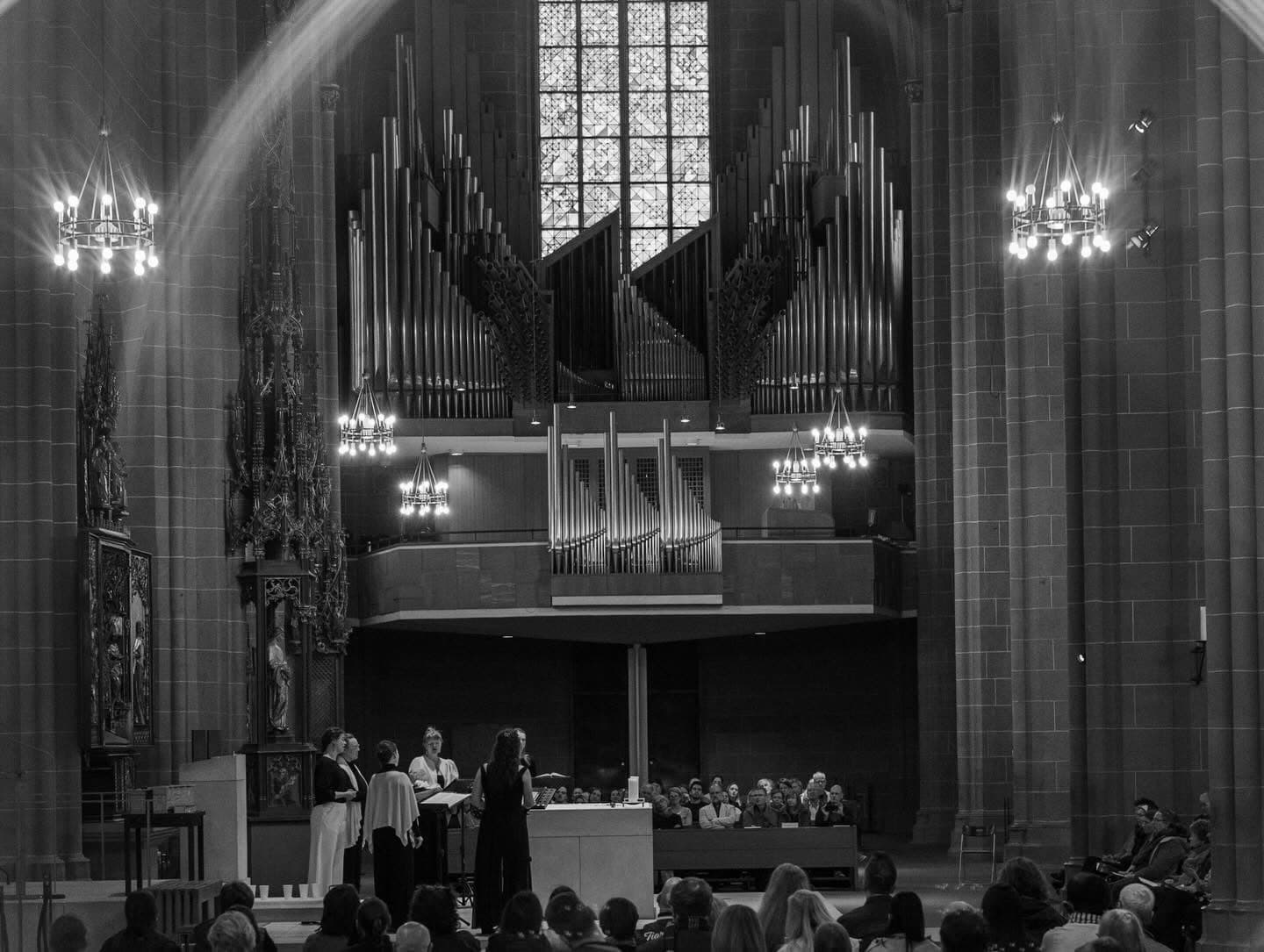
At the beginning of the programme, this sense of transcendence is reflected in a rich variety of settings of the Song of Songs. Its sensual and vivid descriptions of the human body have inspired composers from the masters of Renaissance polyphony, such as Eleonora d’Este and Nicolas Gombert, to the Norwegian composer Ola Gjeilo, who have transformed them into otherworldly sounds. Cristóbal de Morales, by contrast, approaches the theme of mortality in a simple and contemplative way. In Parce mihi, Domine, he sets Job’s lament to music with calm, clearly shaped harmonies that seem to flow from a single breath.
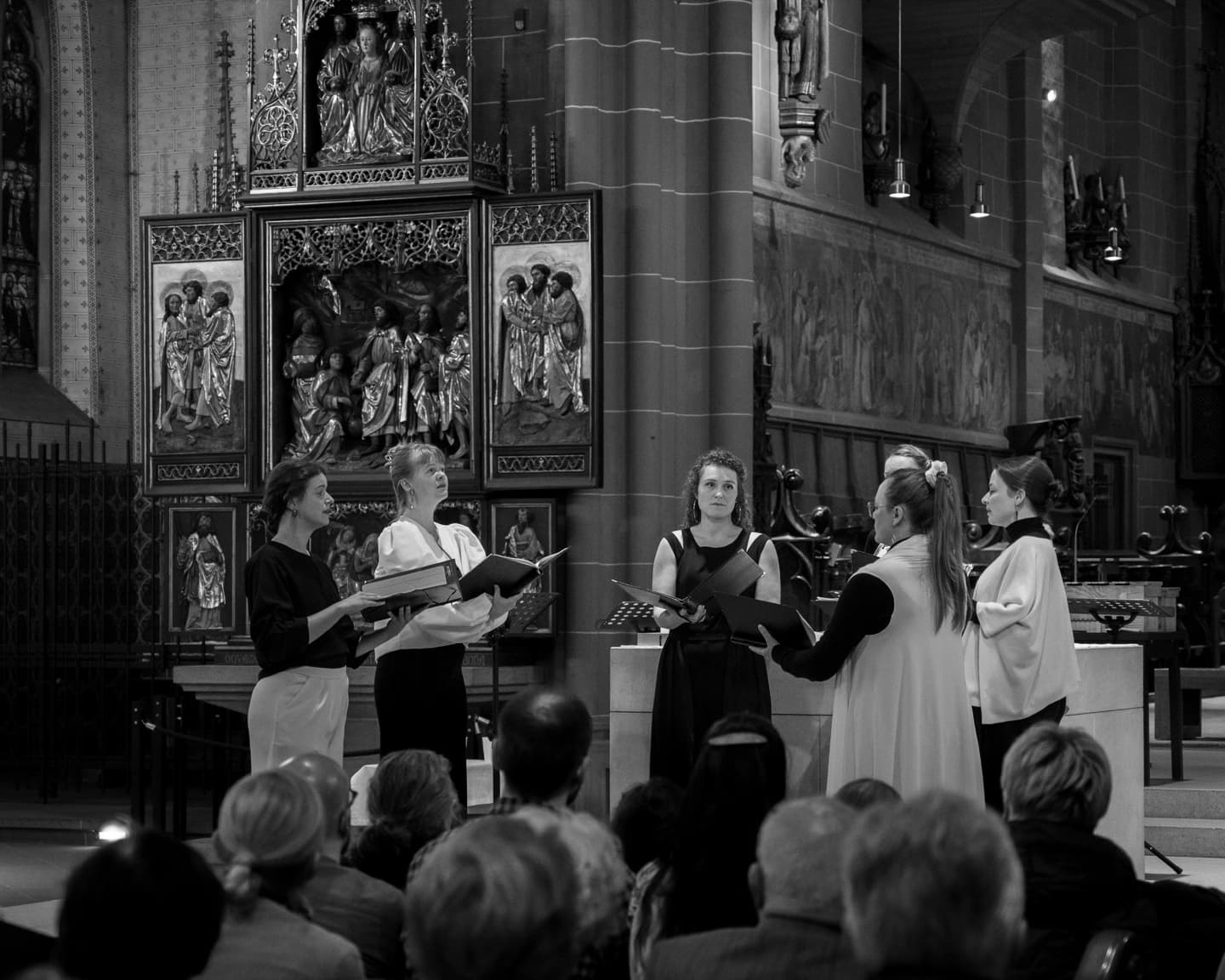
The two central works of the evening explore questions of presence and visibility. As Die Sternseherin (The Star Seer) Lise gazes into the night sky, she longs for something greater in her life. In Fratres, Paola Prestini brings a marginalized female figure to the forefront: Mary Magdalene. Her possible presence at the Last Supper has been widely discussed, although the Gospels do not record her as being there. The visibility and invisibility of women in society is a recurring theme in Prestini’s work, as well as an important part of the identity of this all-female ensemble.
Prestini drew musical inspiration from the motet of the same name by Giovanni Pierluigi da Palestrina, one of the leading composers of sixteenth-century vocal polyphony. His work also forms the basis of Brooke Shelley’s Stetit Angelus, which evokes an angel – a spiritual being who serves as a mediator between the divine and human realms.
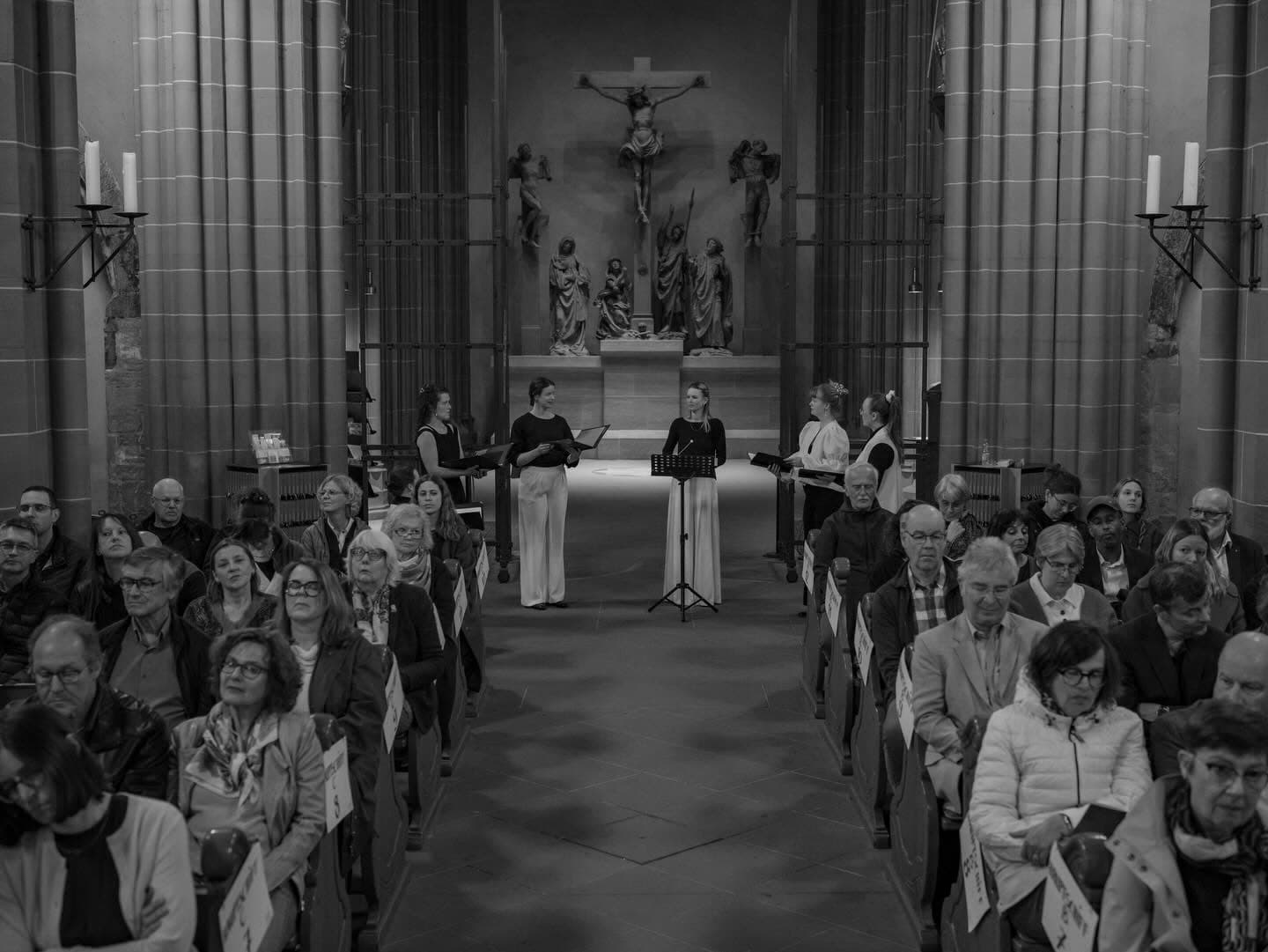
With Hildur Guðnadóttir’s From the Other Place, Sjaella creates a sonic bridge between these different ideas. The graphic score allows the music to take on a new form each time it is performed, shaped both by what has come before and by the sounds emerging in the space in the present moment.
Programme
- Sicut lilium inter spinasEleonora d’Este
- Mein Grund, mein PulsLaura Marconi
- Quam pulchra esNicolas Gombert
- Northern LightsOla Gjeilo
- Parce mihi, DomineCristóbal de Morales
- FratresPaola Prestini
- From the Other PlaceHildur Guðnadóttir
- Die SternseherinKnut Nystedt
- The Lord’s PrayerJohn Tavener
- Stetit AngelusBrooke Shelley
- O magnum mysteriumCristóbal de Morales
Playing a recording loads the video from YouTube (Google). Privacy
Programme II
Head Heart
In this concert, Sjaella explores the age-old human dilemma between the head and the heart. Though, the exact relationship between reason and emotion remains a mystery, our daily experience leaves little doubt that both impact our decision making to a great extent. But how can we listen to these inner poles and learn to trust them?
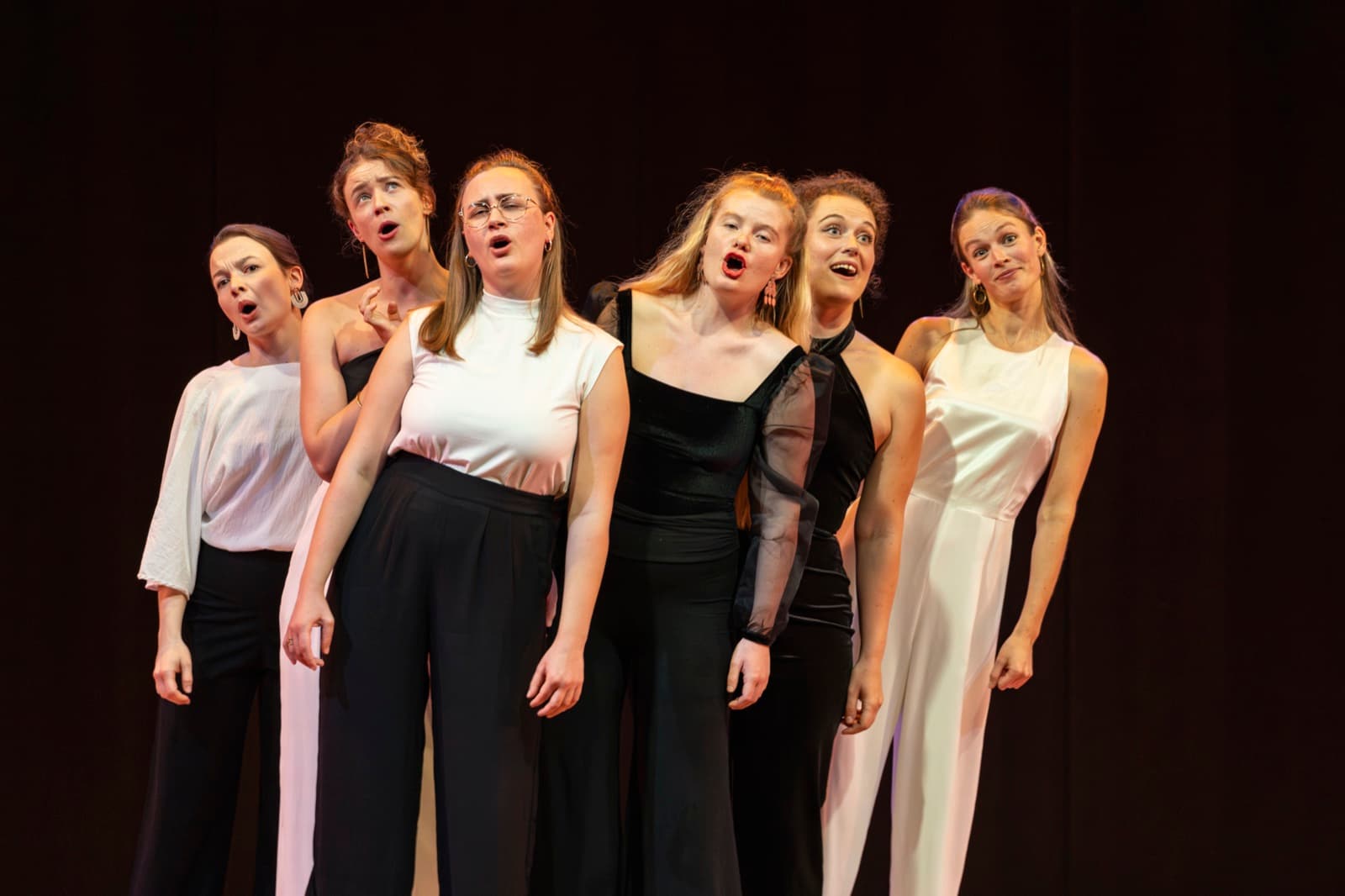
Sjaella feeds the hearts and stimulates the minds of their listeners by presenting a fine selection of early and contemporary compositions that are themselves in the field of tension between intellect and emotion. A plea for the truthfulness of thinking and feeling.
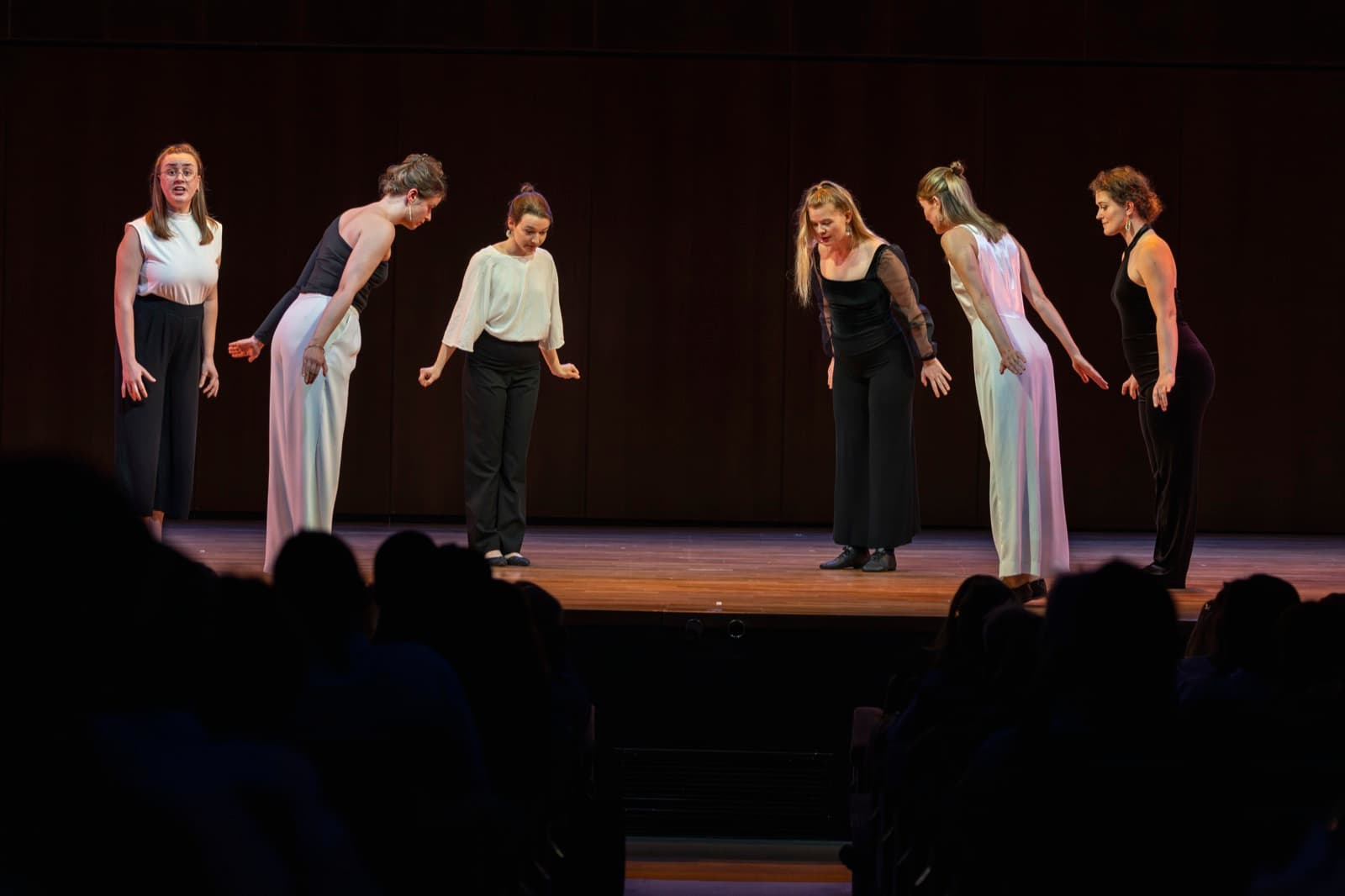
Music by Henry Purcell, Heinrich Schütz, Nicolas Gombert, Melchior Franck, Laura Marconi, David Lang and Caroline Shaw
Playing a recording loads the video from YouTube (Google). Privacy
Programme
- A bird’s PreludeHenry Purcell
- Mein Grund, mein PulsLaura Marconi
- O primaveraHeinrich Schütz
- Dolce cantaviCaroline Shaw
- Meine Schwester, liebe BrautMelchior Franck
- O, dass ich dich, mein BruderMelchior Franck
- Du bist aller Dinge schönMelchior Franck
- HypophysisSjaella
- Quam pulchra esNicolas Gombert
- Head HeartDavid Lang
- Cosi morirHeinrich Schütz
- Music for a whileHenry Purcell
Biography
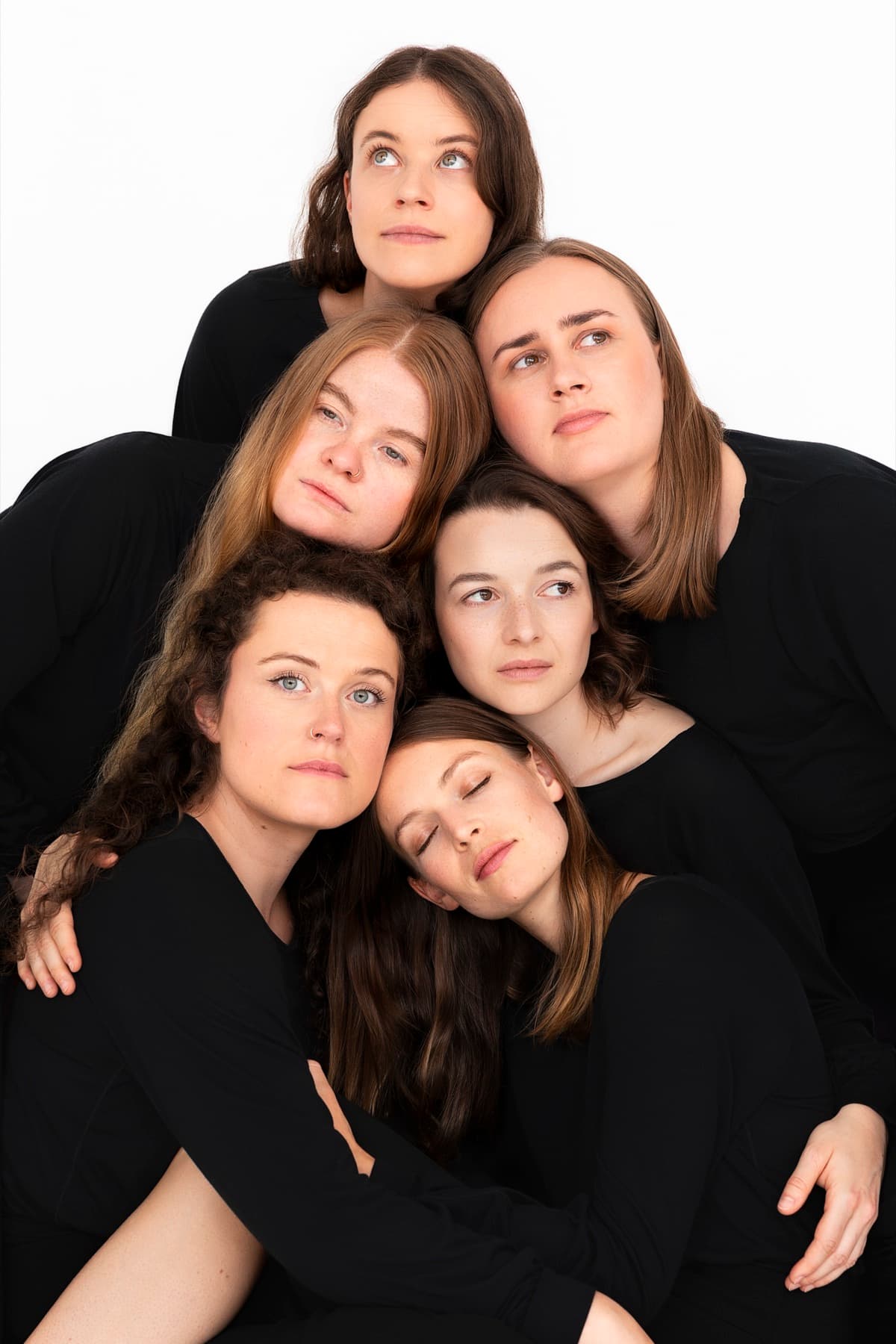
Uniform yet individual, gentle yet robust, precise yet free-flowing – this versatility is what Sjaella’s sound is all about.
Founded 2005 in Leipzig
What began in 2005 as a shared musical journey among six childhood friends now takes the Leipzig-based vocal ensemble to international stages. Along the way, the singers continue to discover new paths. Their repertoire is correspondingly broad, bringing together music from different periods and genres.
Sjaella has performed at renowned venues including the Sydney Opera House, Gewandhaus Leipzig, Vienna Musikverein, Mozarteum Salzburg, Müpa Budapest and Flagey Brussels, as well as at international festivals. Scenic and interdisciplinary work also forms part of the ensemble’s artistic journey, most recently in Michel van der Aa’s award-winning VR opera From Dust and Primero Sueño at The Met Cloisters in New York.
For all its versatility, a close connection with the audience remains central to Sjaella’s work. It turns each concert into a shared musical experience.